Plan Your Hair Around a High Neckline, Collar or Hood
A high neckline or hood changes where hair and accessories meet clothing. Try the actual garment before choosing the final shape. The aim is comfortable movement and a clear outline, not a rule that every high-neck outfit requires a fully gathered hairstyle.
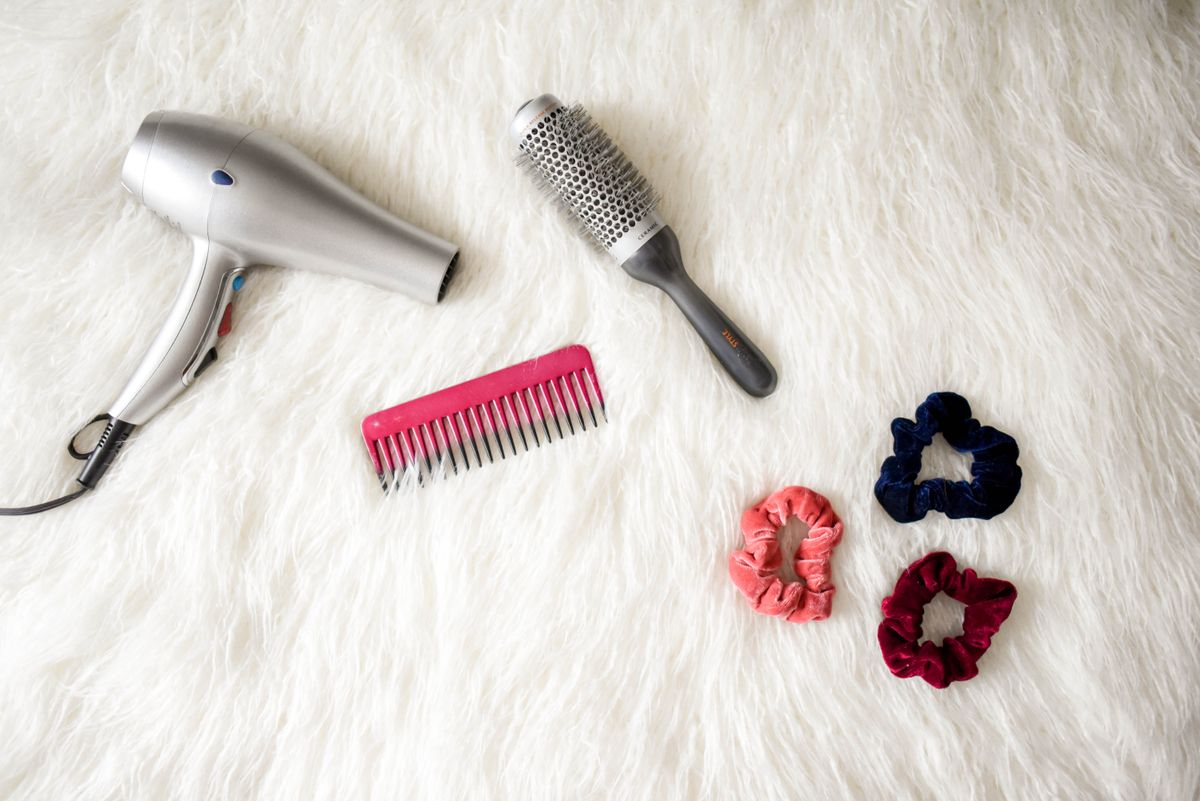
Photo: Pexels · License. Illustrative stock photography; pictured people, products and settings are not claimed to demonstrate this exact guide or endorse this publication.
Identify the fabric contact
Check whether the collar is smooth, textured, bulky or decorated. The contact area matters more than the garment category alone. Compare an outline tested with the actual garment with a hairstyle chosen without clothing contact checks.
Decide what stays visible
You may want to show the neckline, preserve loose texture or balance both. Name the priority before gathering hair. Wear the actual neckline and outer layer during rehearsal.
Check current length
Shoulder-length hair may sit directly on a collar while longer lengths fall beyond it. Choose the outline for the actual contact point. Use a visible checkpoint: turning, sitting and outerwear changes work without repeated catching or hardware pressure
Keep hardware clear
A hard accessory at the nape can meet a hood or high collar. Reposition it if sitting or turning creates pressure. Priority: the clothing contact area.
Use a collar example
A soft side-directed shape can reveal part of a high neckline while leaving comfortable loose lengths on the other side. Consider this specific example: a side-directed outline shows one part of the high collar while loose lengths remain comfortable on the opposite side.
Troubleshoot repeated catching
Identify the exact fabric or accessory contact. Another garment layer or hair placement may solve more than adding stronger hold. If the hood presses on a nape accessory, first check the precise fabric-to-hair or hardware contact point. Then move or remove that hard piece and retest.
Test outerwear changes
Put the coat or hood on and remove it during rehearsal. A shape that works only before dressing is not a complete plan. The practical tradeoff is more neckline visibility may change the amount of loose hair you keep.
Record the useful combination
Save the neckline and hair outline together. A hairstyle photograph without the garment misses the main practical decision. Before finishing, rehearse putting outerwear on and taking it off Record the one detail that would be useful next time: the neckline and accessory placement together.
Check the clothing contact from dressing to sitting
Put on the actual high-neck garment and outerwear before finalizing the hair. Inspect whether the collar is smooth, textured, embellished or bulky and where the loose lengths naturally meet it. Choose whether the neckline should remain fully visible or whether some hair can fall over it. That is a styling preference, not a universal rule requiring an updo. Check the back as well as the front, especially where a hard accessory could press against a hood or raised collar.
Rehearse putting the outer layer on, raising the hood if relevant and taking it off again. Turn and sit with the combination. If one piece catches, locate whether it is fabric, jewelry or hair hardware rather than adding stronger hold to the whole style. Moving a nape accessory or choosing a softer side direction may solve the actual contact problem. Plan the dressing order with the garment opening and any stylist guidance in mind; a tight neckline can affect the sequence. Save the final reference with the collar visible, because a hairstyle-only photograph omits the reason for the placement. The complete result should let you use the garment normally instead of requiring you to avoid every head movement to preserve an arrangement chosen without clothing contact checks. If a scarf is part of the outfit, include its normal wrapped position in the test. A loosely displayed scarf in a photograph does not reproduce the contact created when it is actually worn around the neck.
Your working checklist
Checkmarks stay in this browser when storage is available. They do not submit information or complete a purchase.
Put it into practice
- Put on the actual neckline and outerwear.
- Identify fabric and hardware contact.
- Choose what should remain visible.
- Arrange the outline with comfortable reach.
- Turn, sit and test putting the hood on.
- Record the complete combination.
Before you finish
- The garment was worn during rehearsal.
- Hardware does not create pressure.
- Movement was tested.
- The dressing sequence is practical.
Common questions
Does a high neckline require hair up?
No. A gathered style is one option. Loose or side-directed hair can work when you like the outline and movement remains comfortable.
What if a hood presses against my accessory?
Move or remove the hard piece rather than tolerating pressure. Rehearse with the actual hood.
Can shoulder-length hair stay loose?
Yes, if it works with the collar and your preference. Check catching and movement instead of following a fixed rule.
Should I style before putting on the outfit?
Plan the dressing sequence with the actual garment and any stylist guidance. A tight opening may require a different order.