Short Curly Hair for a Formal Event: Shape and Accessory Decisions
Short curls do not need to imitate a long-haired updo to look prepared for an event. Work with the current outline, part and visible curl groups. A small accessory or deliberate shape can provide a clear finish without pulling short sections toward a point they cannot reach.
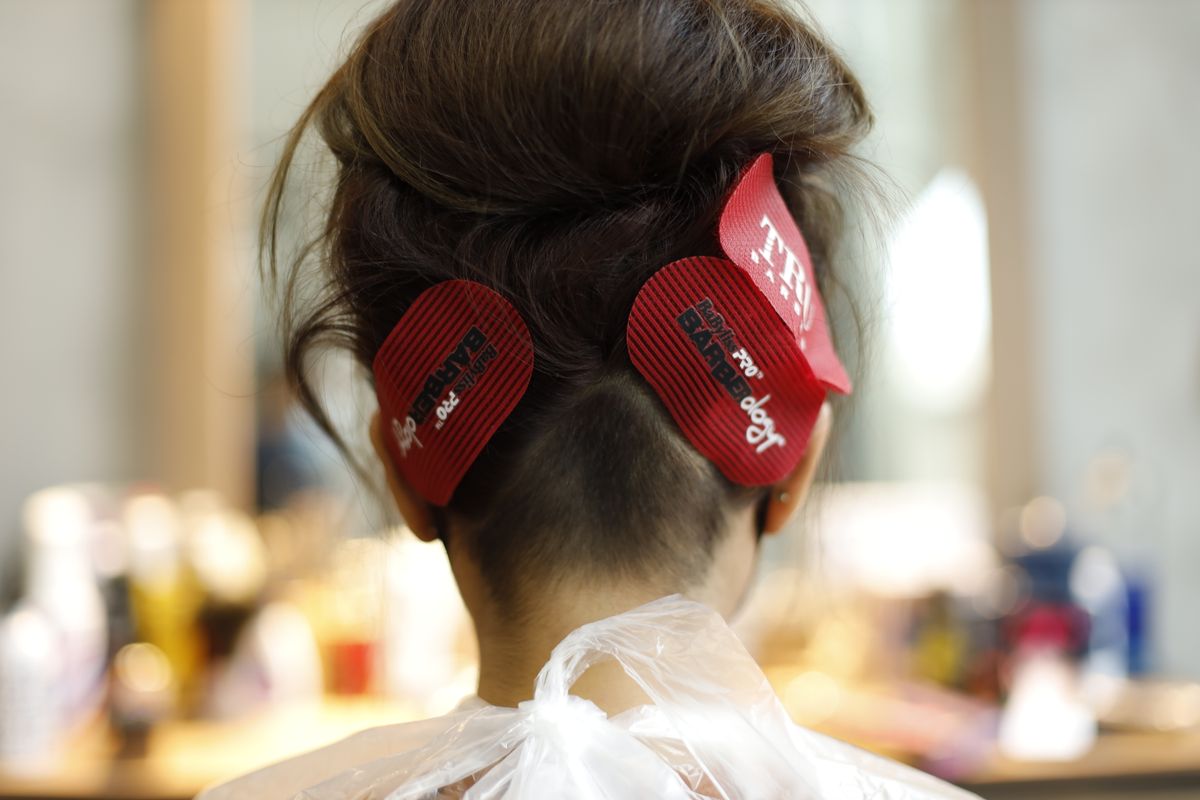
Photo: Pexels · License. Illustrative stock photography; pictured people, products and settings are not claimed to demonstrate this exact guide or endorse this publication.
Choose a realistic reference
Find examples with comparable length and texture. Use longer-haired images only for a general mood, not a construction plan. Compare a deliberate existing outline with a forced imitation of a long updo.
Identify the finished outline
Decide where you want height, side volume or a clearer face line. Change one part of the outline at a time. Use a second mirror and the actual event earrings during rehearsal.
Use familiar curl preparation
Arrange the existing texture with your normal gentle approach. Avoid introducing several untested hold products on the event day. Use a visible checkpoint: short sections remain comfortable while the chosen outline stays visible
Match accessory scale
A small light piece can sit more comfortably in a short section than a heavy comb intended for a large updo. Priority: the length you actually have.
Use a cropped-curl example
A defined crown and a quiet side accessory can make a cropped shape feel deliberate while leaving shorter perimeter curls in place. Consider this specific example: a cropped crown and one small side detail create a finished shape without stretching perimeter curls into a bun.
Troubleshoot escaping short pieces
Do not pull the entire side tighter to catch one short curl. Leave it visible or adjust the accessory position. If one short curl repeatedly escapes, first check section reach and accessory weight. Then leave it intentionally visible or move the accessory instead of tightening the whole side.
Compare with the outfit
A high neckline or large earrings changes the visible outline. Check the whole combination from front, side and back. The practical tradeoff is a short textured outline offers less gathering space but can need fewer accessories.
Plan a simple reset
Keep the take-down sequence short and count the pieces. Remove hardware before resting the head against a seat or pillow. Before finishing, check that no hard accessory will press against a chair or headrest Record the one detail that would be useful next time: the shape and light accessory that suited the cut.
Build a short style from three visible areas
Look at the crown, the sides and the perimeter separately. Decide where you want a little more definition and which areas can remain soft. A cropped shape can look deliberate through a clear side direction or a small decorative point without turning into a tiny imitation of a long updo. Use a second mirror to check the nape rather than judging only the most photographed front section. Compare the actual earrings and collar because those nearby shapes can provide much of the event styling.
Test one light accessory at a time on a section that reaches it comfortably. If the piece drags the shape down or needs repeated tightening, remove it and compare the outline without it. Another location or no accessory may be more successful. Keep the shortest curls visible where necessary instead of trying to pin everything into one surface. For a salon conversation, bring a reference with similar length and identify the crown shape or side detail you like. Ask what is realistic without added hair if that is your preference. Record the product and accessory placement used at the trial, along with the take-down order. This gives a practical repeatable plan rather than assuming that a short hairstyle needs extensive extra construction to be formal.
Your working checklist
Checkmarks stay in this browser when storage is available. They do not submit information or complete a purchase.
Put it into practice
- Choose a comparable short-texture reference.
- Set the preferred crown and side outline.
- Use familiar preparation.
- Test one light accessory if wanted.
- Check the complete outfit from several angles.
- Record the accessory count and removal order.
Before you finish
- No section is pulled beyond comfortable reach.
- Accessory scale suits the available hair.
- The full outfit was checked.
- Take-down is straightforward.
Common questions
Does short hair need extensions for an event?
No. Extensions are optional and involve a separate planning decision. The existing cut can be styled deliberately on its own.
Can I pin every short curl back?
Only where it reaches comfortably. Leaving short curls visible can be part of the shape instead of treating them as errors.
What if a comb is too heavy?
Choose a lighter accessory or skip it. The style can rely on shape and texture rather than hardware.
How do I make the reference useful to a stylist?
Choose a similar length and pattern, then identify the outline or accessory detail you like. Explain which parts you want to preserve.