Choose Haircut Reference Photos That Match Your Texture and Routine
A useful haircut reference explains a shape and the work needed to maintain it. Compare texture, density, current length and styling effort before choosing images. A photograph is a conversation tool, not a guarantee that another head of hair will produce an identical result.
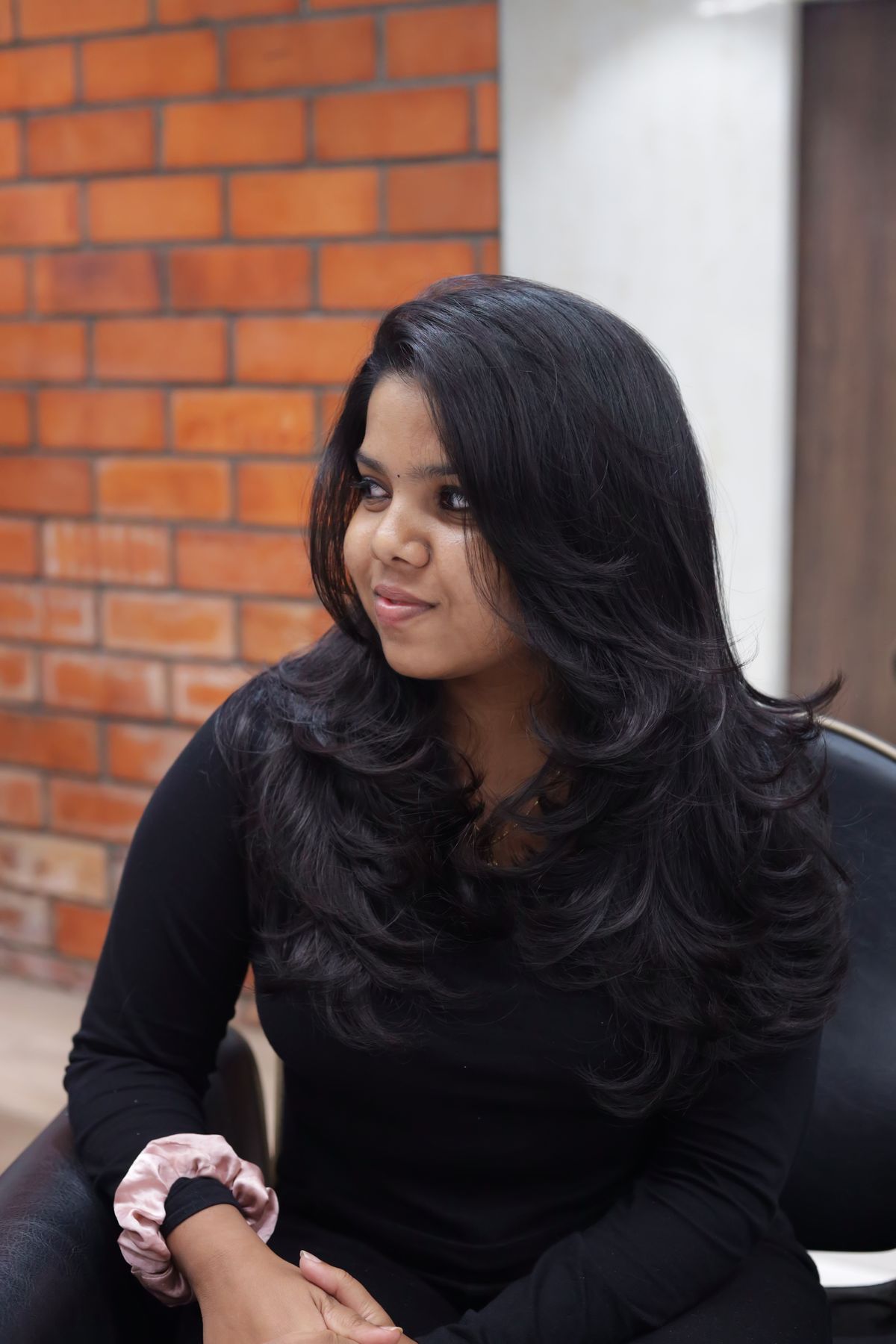
Photo: Pexels · License. Illustrative stock photography; pictured people, products and settings are not claimed to demonstrate this exact guide or endorse this publication.
Separate the features you like
Name the fringe, outline, volume or length rather than saying only that the whole image is beautiful. Compare a few labeled comparable images with a large contradictory inspiration board.
Compare texture and density
A similar visible texture offers a more informative reference. Lighting and styling can still hide important differences. Keep current-hair photographs and your normal routine notes beside the references.
Look for multiple views
A front photograph cannot show the nape, back layers or side shape. Collect the views relevant to the feature you want. Use a visible checkpoint: you can explain which feature each reference communicates and how it relates to your routine
Ask about styling work
A smooth finish may involve drying or tools you do not plan to use. Explain your realistic routine before committing to the cut. Priority: the actual texture and styling effort.
Use a reference pair
One image can show the desired outline while another shows a more comparable texture. Tell the stylist which information each image represents. Consider this specific example: one image shows a preferred outline while another shows comparable curls, so each has a clearly different role in the conversation.
Troubleshoot contradictory references
If one image shows a blunt heavy outline and another very light layers, explain which feature matters most rather than expecting both unchanged. If two references ask for conflicting shapes, first check whether the conflict involves length, texture or the amount of layering. Then name the feature that matters most and ask the stylist to discuss the tradeoff.
Discuss what stays
State the minimum length, fringe preference and any areas you do not want changed. Clear boundaries are more useful than vague reassurance. The practical tradeoff is a dramatic reference may require more daily styling than you want.
Save the agreed description
Write the main shape and routine discussed. This makes later feedback more specific than asking whether the haircut looked like the image. Before finishing, write the agreed shape and what should remain unchanged Record the one detail that would be useful next time: the main outline, maintenance routine and boundaries.
Label the information in each reference
Choose a small group of images and write one sentence beside each. One may show the preferred outline, another a comparable curl pattern and a third the length you want to keep around the ears. Do not ask the stylist to infer which features matter from an unlabeled collage. Include current front, side and back pictures in your ordinary routine state. Explain whether you are willing to use a dryer, styling tool or several products to recreate the reference finish. This helps separate the cut from the styling used for the photograph.
Compare any conflicting requests explicitly. A blunt heavy perimeter and extensive light layering may require a compromise, while a very short fringe conflicts with a wish to gather every front section away from the face. Rank the features rather than expecting both images unchanged. Ask the stylist to describe the likely home sequence and grow-out behavior for your actual hair. If a reference appears to use extensions or another major styling addition, ask whether that is relevant to the outline you want. Before cutting begins, repeat the agreed length, shape and areas to preserve in ordinary language. Save that brief with the chosen references so later feedback can name a specific difference instead of relying on the vague impression that the haircut does not look like the picture.
Your working checklist
Checkmarks stay in this browser when storage is available. They do not submit information or complete a purchase.
Put it into practice
- Choose three relevant images rather than a large unsorted board.
- Name one liked feature in each.
- Compare texture and visible density.
- Find side or back views if needed.
- Describe your actual styling routine.
- Record the agreed shape and boundaries.
Before you finish
- Each image has a clear purpose.
- Texture differences are acknowledged.
- Styling effort was discussed.
- Boundaries are stated clearly.
Common questions
Do all references need my exact texture?
Not necessarily. A different-texture image can communicate a silhouette, but explain that purpose and include a more comparable example.
Can the stylist guarantee an identical result?
No photograph guarantees the same result on another person. Use it to discuss what is realistic with your hair and routine.
How many pictures should I bring?
A small labeled selection is usually easier to discuss than many contradictory images. Each should add a clear piece of information.
What if I do not know hair terminology?
Use ordinary descriptions such as more room around the ears or a softer outline. Point to the feature and explain what you want to do each morning.