Wedding Guest Hair That Preserves Your Natural Curl Pattern
An event hairstyle can keep your own curl pattern visible rather than beginning with straightening. Plan the outline, face clearance and accessories separately from curl preparation. This guide is a styling decision framework, not a promise that every texture will produce the same photograph.
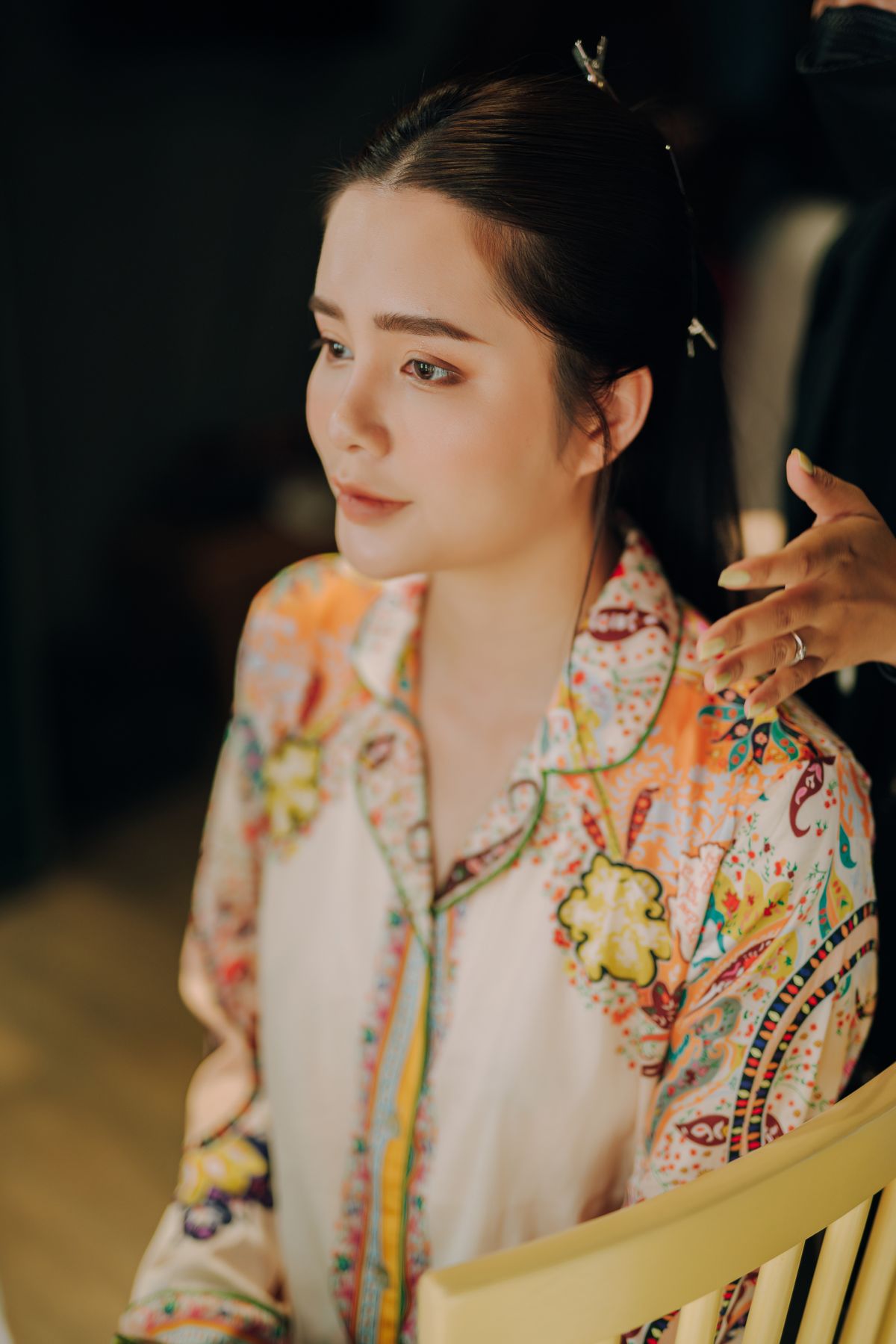
Photo: Pexels · License. Illustrative stock photography; pictured people, products and settings are not claimed to demonstrate this exact guide or endorse this publication.
Choose the outline before products
Decide whether you want curls loose, partly gathered or arranged to one side. Start with a shape your current length can support. Compare a light side detail with loose curls with a full updo requiring more handling.
Use your familiar preparation
An important event is a poor first trial for several unfamiliar products. Prepare the curl pattern with the routine you already understand. Keep the outfit neckline, earrings and chosen accessory available during rehearsal.
Keep the curl groups visible
Arrange sections gently rather than brushing the entire result into a different texture. Decide which areas actually need adjustment. Use a visible checkpoint: the curl pattern remains visible and the accessory holds without uncomfortable pulling
Test the accessory placement
A light clip or comb must suit the amount of hair it holds. Place it in a stable section without pulling the hairline. Priority: your familiar curl preparation.
Use a guest example
Loose defined curls with a small side detail can look deliberate without becoming a fully pinned updo. A statement earring may guide which side stays clear. Consider this specific example: a small side accessory clears one earring while the rest of the curls remain loose and recognizable.
Troubleshoot a flattened area
Identify whether the accessory weight or handling changed the shape. Remove and reposition the accessory rather than tightening it repeatedly. If the accessory flattens one area, first check accessory weight and placement rather than adding more tension. Then remove it and compare a lighter piece or another placement.
Check the full outfit
Neckline, earrings and outerwear can interfere with the shape. Put them on during the rehearsal instead of treating the hairstyle separately. The practical tradeoff is a lighter arrangement may be softer while a full updo requires more support.
Plan an easy take-down
Count the accessories and know how each is removed. A polished event result should not depend on an uncomfortable base. Before finishing, check the back and neckline with a second mirror Record the one detail that would be useful next time: the accessory position and preparation sequence that worked.
Rehearse the outline with the full outfit
Start with the familiar finished curl pattern on an ordinary day. Put on the planned neckline and earrings, then compare loose hair with one lightly supported side. Look at the front, side and back without trying to make every curl identical. If a short section does not reach the proposed support point, leave it visible and decide whether that softer detail suits the outline. Choose an accessory for the amount of hair it holds rather than for the size of its ornament. A heavy decorative piece may change the shape even when its fastening appears small.
Turn, look down and sit as you would during the event. Check whether the accessory presses against a chair or catches the neckline. If one area flattens, remove the piece and compare a lighter option or another placement; do not tighten the entire hairline to rescue it. Save one photograph with the accessory and one without it. This records whether the ornament actually improves the outfit or merely adds work. For a professional appointment, show both views and explain which curl features you want to preserve. Ask for preparation instructions suited to that service rather than assuming a universal wash schedule. The final brief should describe the outline, visible texture, face clearance and comfortable support, not a demand to reproduce another person curls strand for strand.
Your working checklist
Checkmarks stay in this browser when storage is available. They do not submit information or complete a purchase.
Put it into practice
- Choose a loose, partial or side-directed outline.
- Use familiar curl preparation.
- Arrange only the sections needing placement.
- Test one light accessory.
- Try the full neckline and earrings.
- Count accessories and rehearse removal.
Before you finish
- The curl pattern remains visible.
- The accessory does not pull.
- The outfit was included in rehearsal.
- All accessories can be identified for removal.
Common questions
Do natural curls need straightening for formal events?
No. A considered shape and suitable accessory can be formal without changing the natural pattern. Choose the finish you prefer.
Should I wash immediately before the event?
Use your familiar routine and any stylist instructions. There is no universal timing that produces the same result across textures.
What if an accessory flattens the curls?
Try a lighter piece or another placement. More tension is not the automatic solution to a heavy accessory.
Can I copy a straight-haired reference exactly?
Use it to discuss outline, but expect texture and density to change the result. A similar-texture reference is more informative for practical planning.